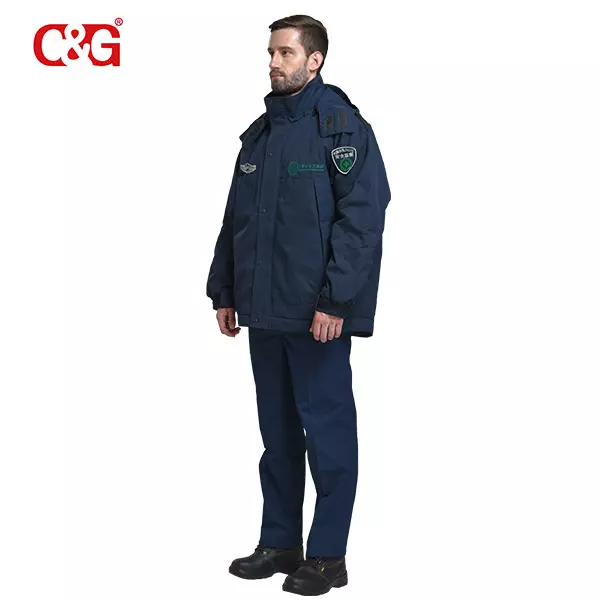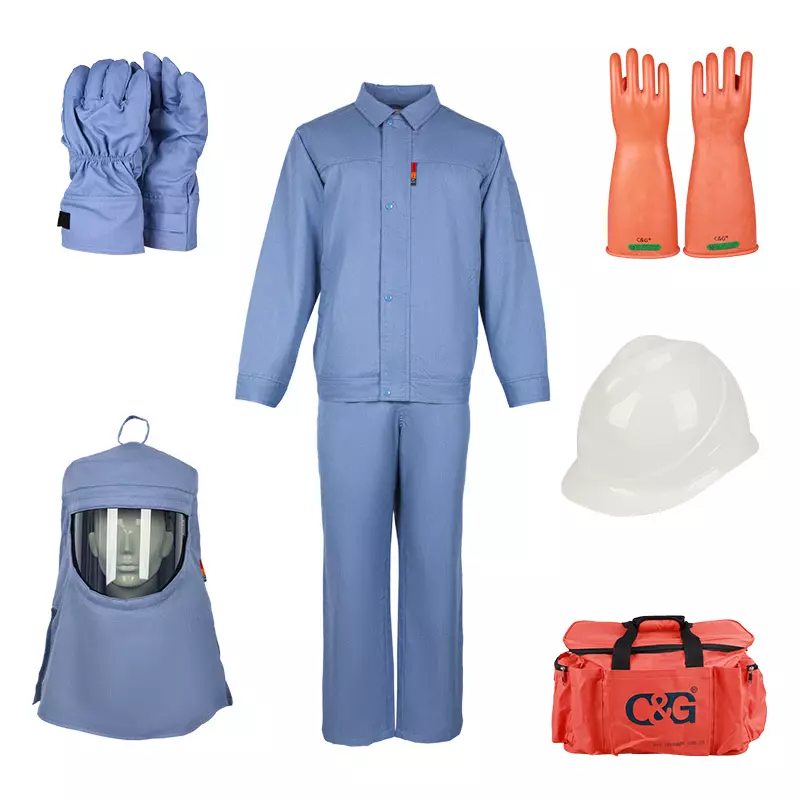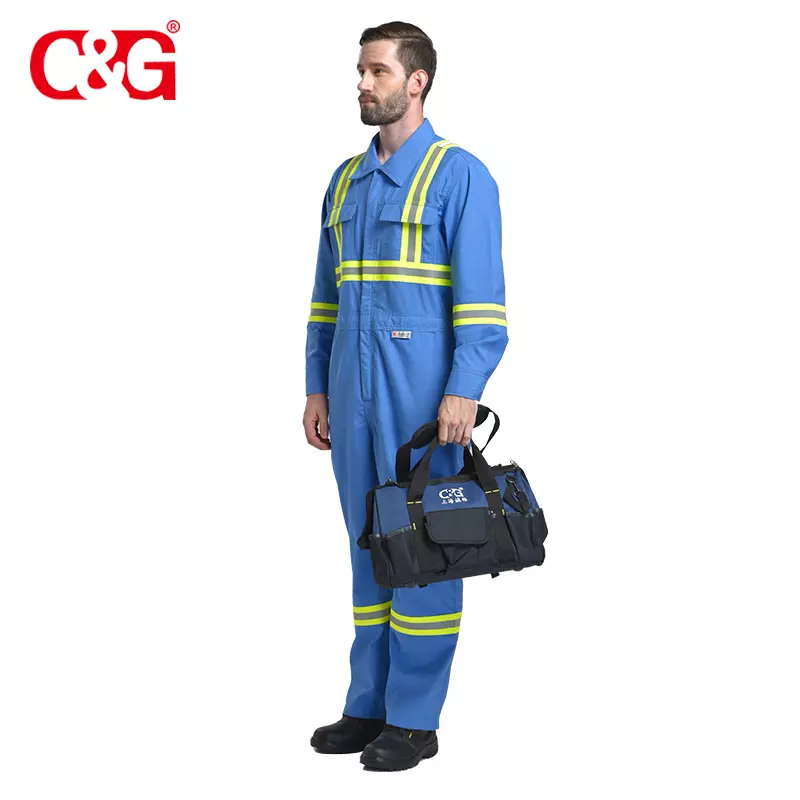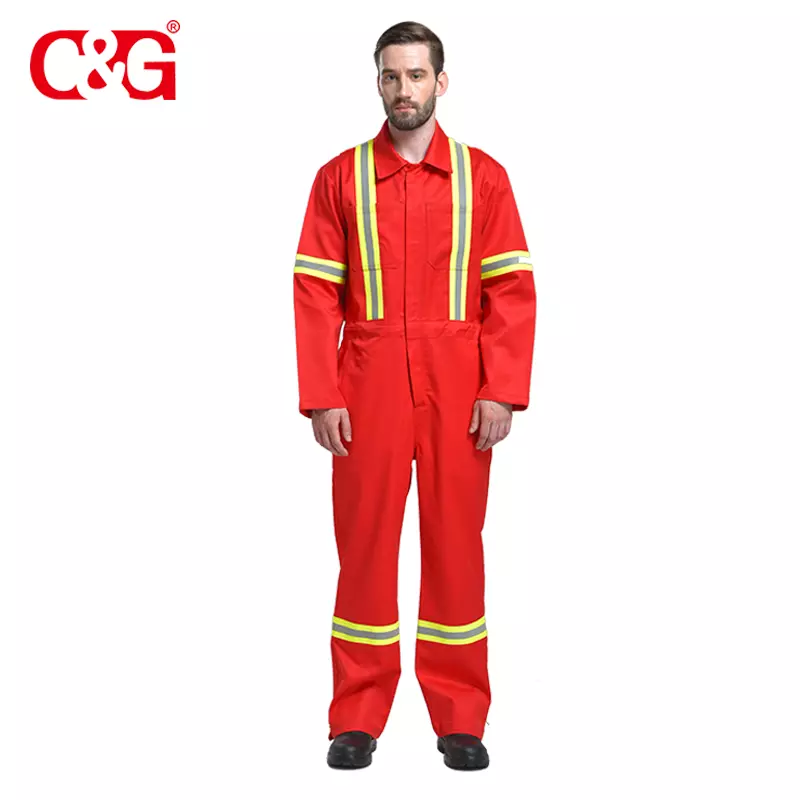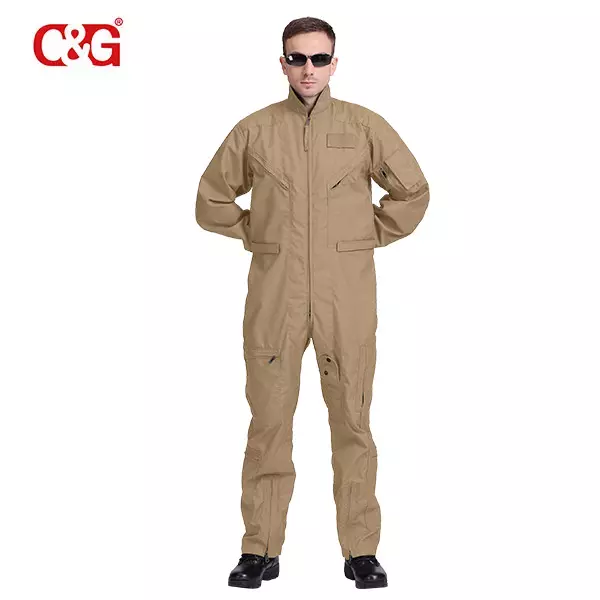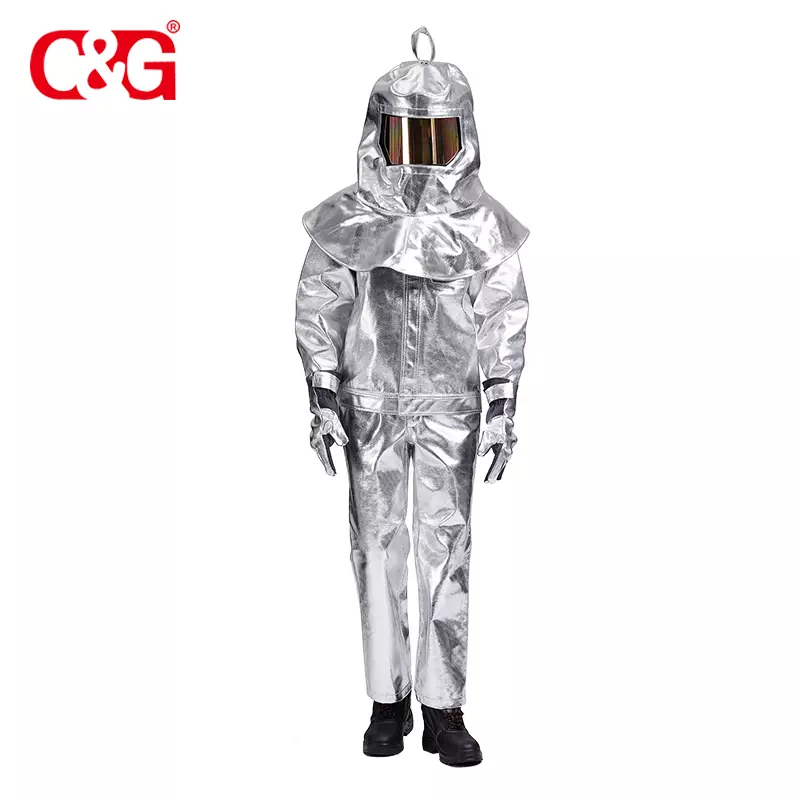
Protective performance is not “looks fine” — it is “verified by condition and criteria.”
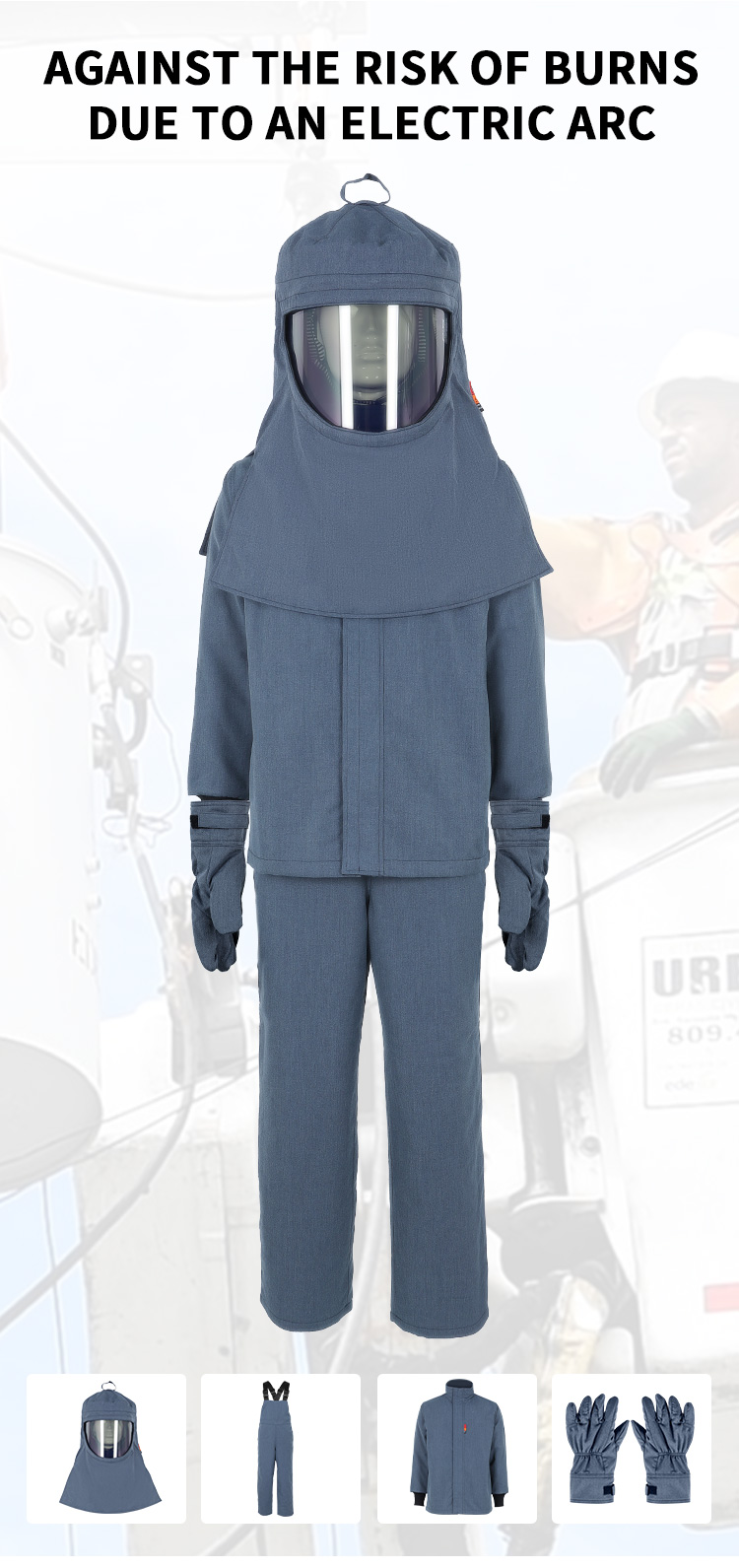
In energized operations within power systems and high–incident-energy environments, arc flash clothing is classified as critical life-saving PPE. Its risk profile leads to a non-negotiable principle:
Whether arc-rated garments remain serviceable must never be judged subjectively; it requires standardized inspection and condition-based evaluation.
Many incidents occur not because PPE was absent, but because degraded protective clothing was still in use.
1. Why Arc Flash Garments Degrade Over Time
Arc-rated clothing is not ordinary workwear. Its protection depends on:
-
Chemical stability of flame-resistant fibers
-
Integrity of the textile structure
-
Fabric weight (mass per unit area)
-
Air gaps between layers
-
Integrity of thermal barrier or reflective layers
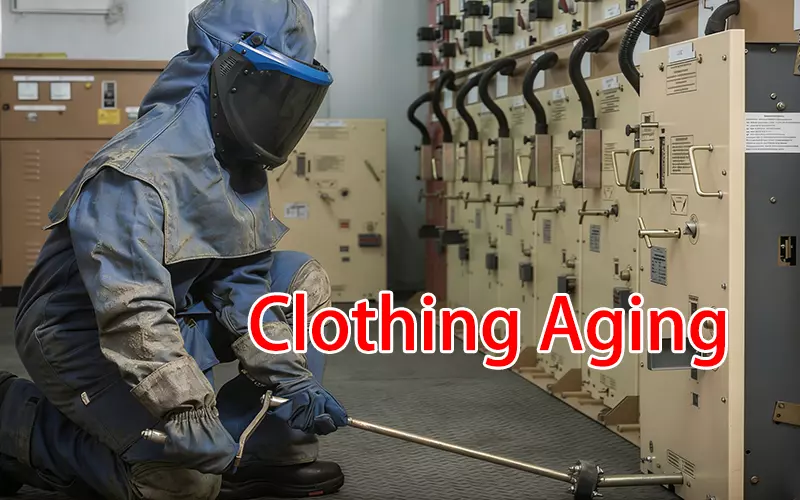
During service life, the following factors progressively reduce protective performance:
| Degradation Factor | Impact on Protection |
|---|---|
| UV exposure | Polymer chain breakdown, strength reduction |
| Repeated laundering | Fabric weight loss, thinning |
| Mechanical abrasion | Localized weak spots |
| Oils and chemicals | Damage to FR properties or fiber structure |
| High-temperature storage | Accelerated aging |
| Repeated moisture exposure | Reduced thermal and insulating performance |
Externally, the garment may simply look “worn.” Internally, ATPV rating and thermal resistance may already be declining.
2. Routine Daily Inspection (Pre-Task Requirement)
Arc flash PPE inspection should be embedded in the permit-to-work or job safety process, not treated as optional.
2.1 Visual Integrity Check
Focus on high-stress zones:
-
Cuffs, elbows, knees, crotch
-
Zipper areas
-
Seams and stitch lines
-
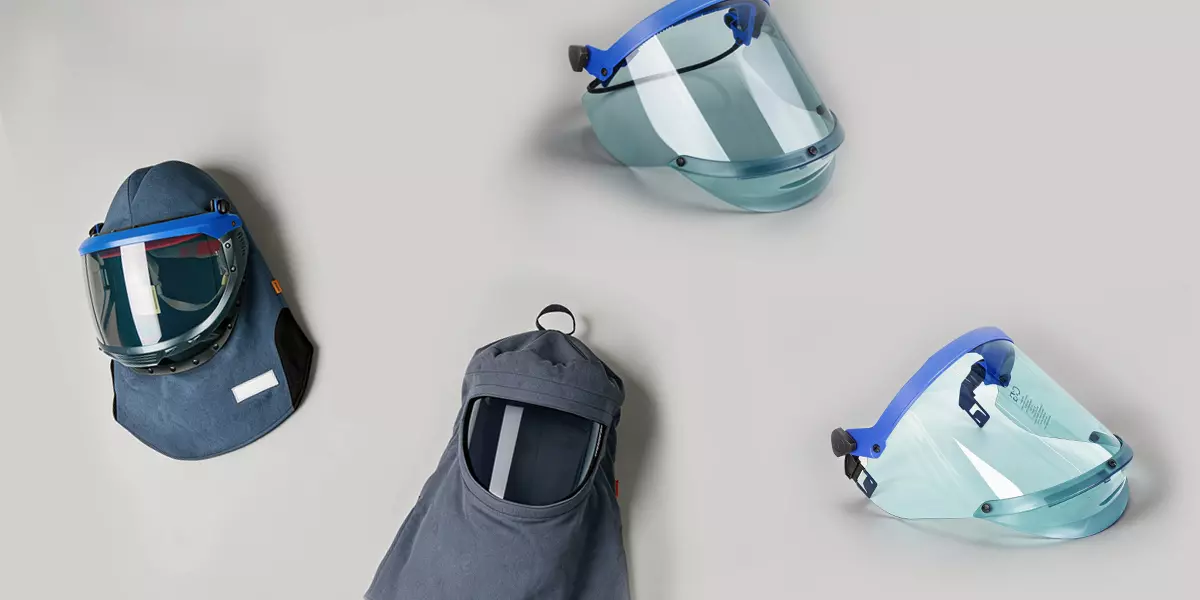
Face shield window (if applicable)
Remove from service immediately if any of the following are present:
-
Holes or tears
-
Severe pilling or fiber fuzzing
-
Thinning or shiny worn spots
-
Melt marks or scorch damage
Any damaged area becomes a thermal breach point during an arc event.
2.2 Contamination Check
Arc-rated garments are more vulnerable to chemical contamination than visible dirt.
Garments must be removed from service or deeply cleaned if exposed to:
-
Oil saturation
-
Fuels, solvents, lubricants
-
Acids or alkalis
-
Unknown chemical substances
Oil contamination can significantly increase flammability, causing garments to ignite during arc exposure.
2.3 Functional Component Inspection
Verify:
-
Zippers close fully and smoothly
-
Hook-and-loop fasteners retain grip
-
Reflective trims remain attached
-
Face shields are clear, not scratched, fogged, or deformed
An improperly closed zipper creates an opening where arc heat and pressure can penetrate, effectively nullifying the protection rating.
3. Impact of Laundering and Maintenance
Arc flash clothing is not safer simply because it is cleaner.
Improper laundering may cause:
-
Fabric mass loss
-
Degradation of FR treatments (in treated fabrics)
-
Reduced mechanical strength
-
Shrinkage, reducing air gaps and thermal insulation
Basic care principles:
-
Use neutral detergents
-
No bleach
-
No fabric softeners
-
No high-temperature tumble drying
-
Wash separately to prevent mechanical damage from metal objects
Each wash cycle represents a minor but cumulative reduction in performance.
4. Determining Service Life
Arc-rated garments do not remain usable indefinitely just because they are intact. Assessment must consider time in service + condition + usage intensity.
4.1 Time-Based Reference (Guideline Only)
| Usage Level | Recommended Replacement Interval |
|---|---|
| Frequent energized work | 1.5–3 years |
| Routine maintenance | 3–5 years |
| Infrequent/standby use | Within 5 years |
These are experience-based ranges, not automatic validity periods.
4.2 Mandatory Retirement Triggers
Immediate retirement is required if any of the following occur:
-
Exposure to an arc flash incident (even without visible damage)
-
Multiple wear zones or thinning areas
-
Noticeably reduced fabric thickness
-
Rating or identification labels illegible
-
Model or protection level no longer traceable
After arc exposure, microscopic carbonization may have occurred; appearance alone cannot confirm safety.
5. Organizational Management Best Practices
Mature electrical organizations typically implement:
-
PPE asset numbering systems
-
Usage tracking records
-
Laundering cycle logs
-
Periodic centralized inspections
-
Mandatory end-of-life disposal policies
Arc-rated garments should be managed as safety equipment, not as standard uniforms.
6. Conclusion
The safety logic is straightforward:
Age ≠ Safety
Intact condition + correct maintenance + appropriate service life = effective protection
Arc flash incidents do not provide a second chance for underperforming PPE.
Protective failure requires only one event — and so do the consequences.