Shanghai, China
+86-17317656853
inquiry@cgprotection.com

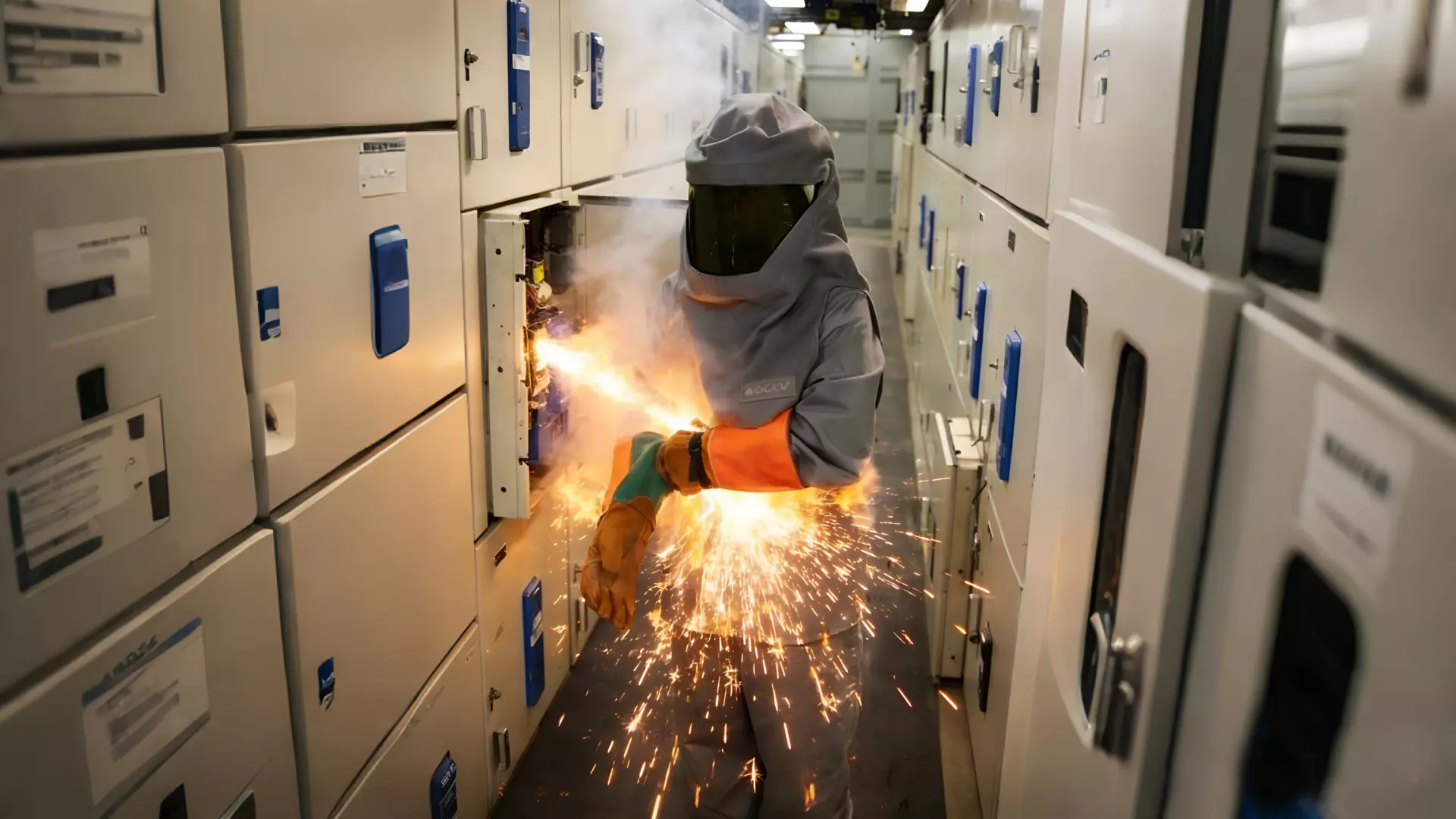
In power system safety management, a principle is frequently emphasized:
PPE is not intended to replace safety measures — it is the final barrier that limits consequences when all other controls fail.
This is not rhetoric. It is the logical outcome of how electrical risk is controlled.
The power industry does not deal with “minor injury” risks, but with high-energy release hazards, including:
Arc flash events with temperatures exceeding 19,000°C
Explosive pressure waves that can impact the body and tear garments
Molten metal splatter that adheres to skin
Intense radiant energy causing burns to eyes and exposed skin
Secondary ignition of non-FR workwear
These hazards share a critical characteristic:
Once they occur, the human body has virtually no natural defense.
Protection therefore depends on layered controls — engineering, administrative, and behavioral — with PPE positioned at the very end.
According to the widely recognized Hierarchy of Controls:
Elimination – De-energizing equipment
Substitution – Using lower-risk systems
Engineering Controls – Insulation, barriers, interlocks
Administrative Controls – Procedures, training, permits
Personal Protective Equipment (PPE)
PPE is last not because it is least important, but because:
The first four layers reduce the probability of an incident.
PPE only reduces injury severity after the incident has already occurred.
In short:
The upper layers aim to prevent accidents; PPE exists to prevent fatalities.
In theory, de-energized work is safest. In reality, operating environments are complex.
Grids cannot always be shut down
Critical assets require online maintenance
Fault diagnosis often requires energized testing
Risk is not eliminated — it is managed.
Insulation, barriers, and interlocks can still be compromised:
Insulation aging or moisture ingress
Switching errors
Inadvertent re-energization
System short circuits
Many arc incidents originate from equipment failure, not intentional rule violations.
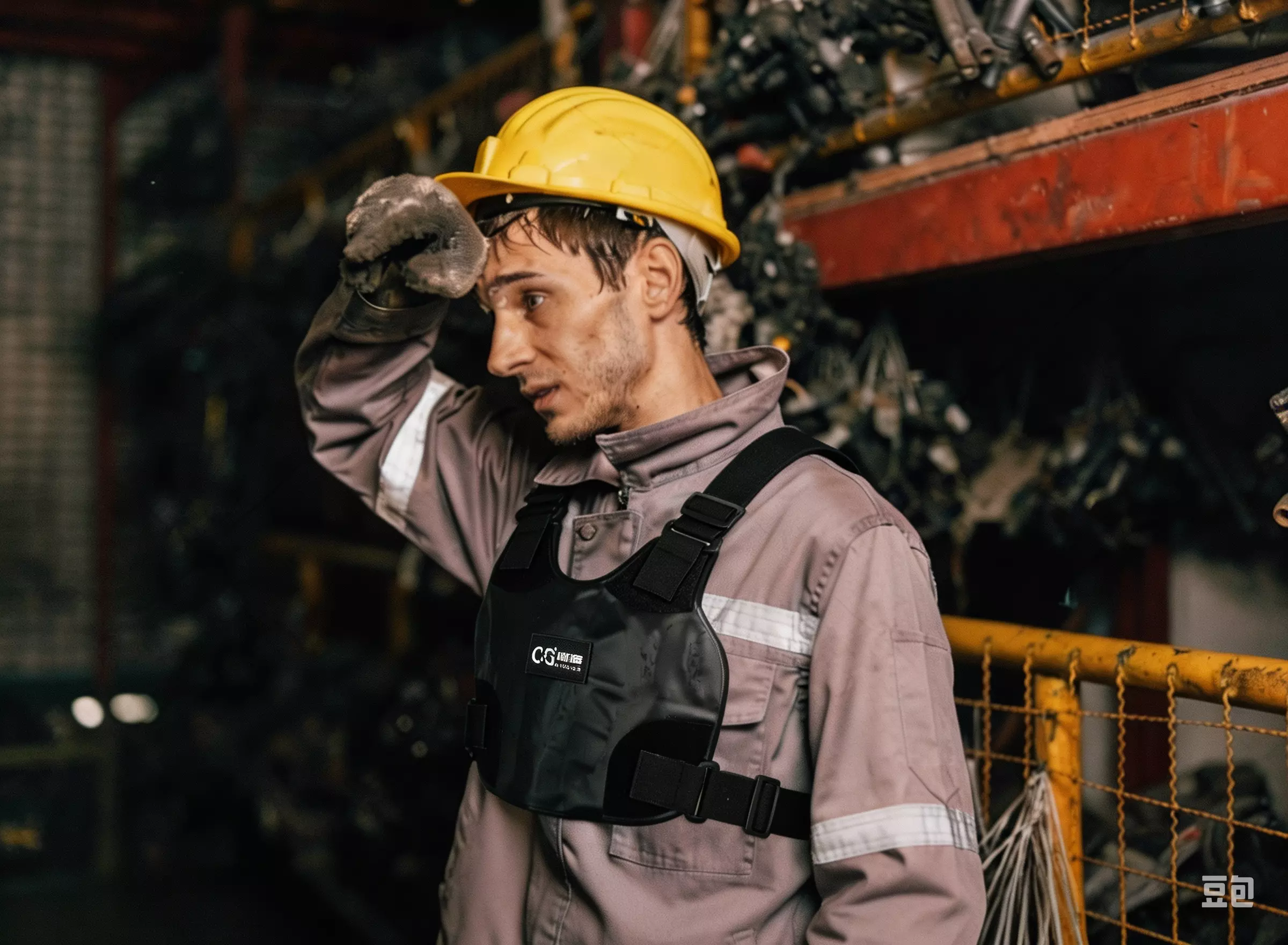
Even robust procedures cannot remove human limitations:
Fatigue
Misjudgment
Overconfidence from experience
Environmental distractions
Time pressure during emergency repairs
Procedures reduce error probability — they cannot reduce it to zero.
Arc flash development occurs in milliseconds. Human reaction is irrelevant at this timescale.
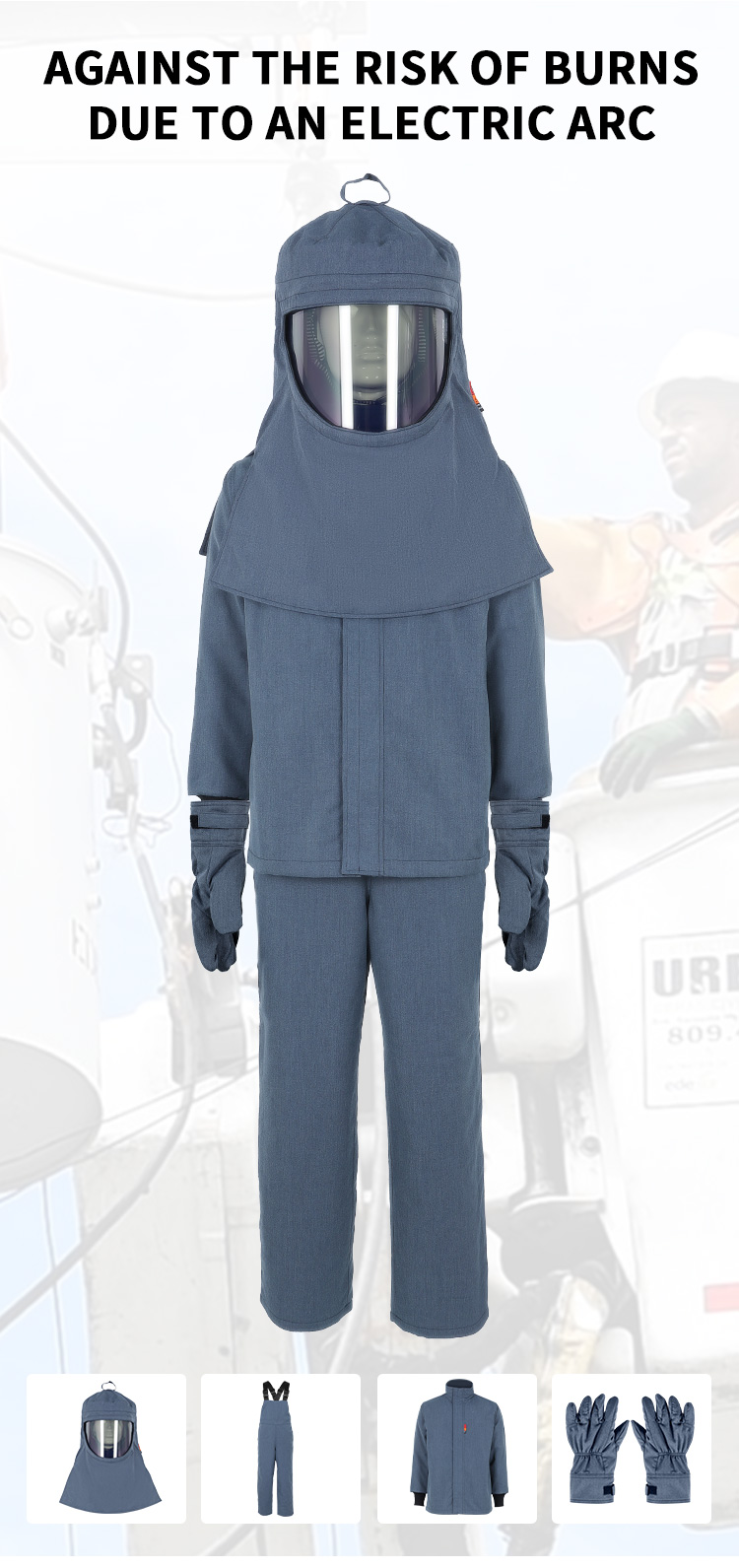
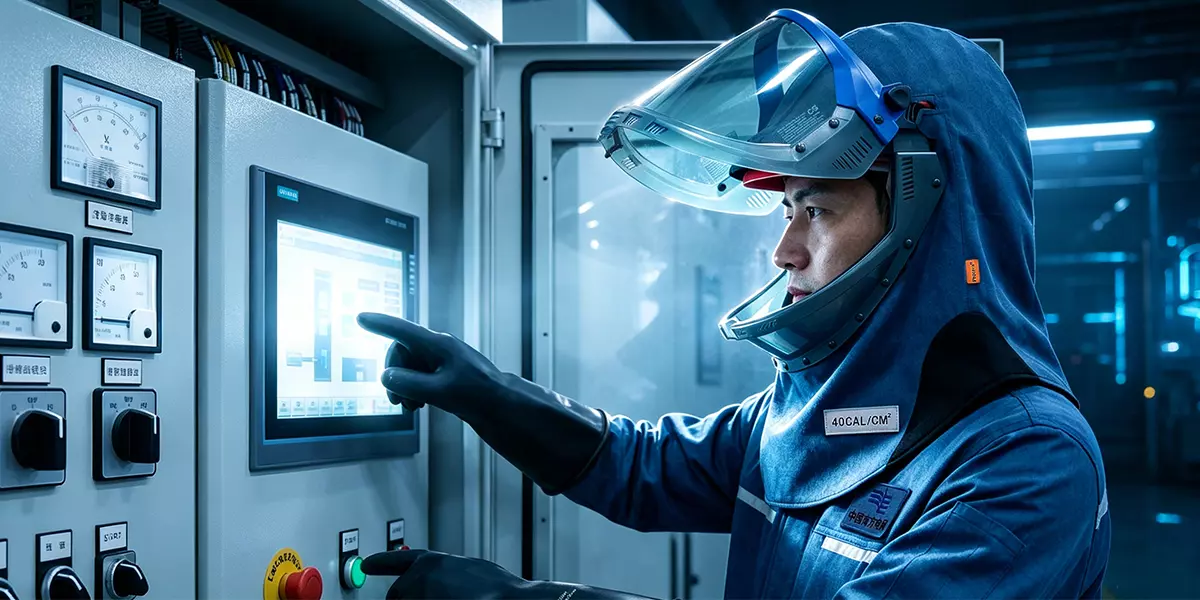
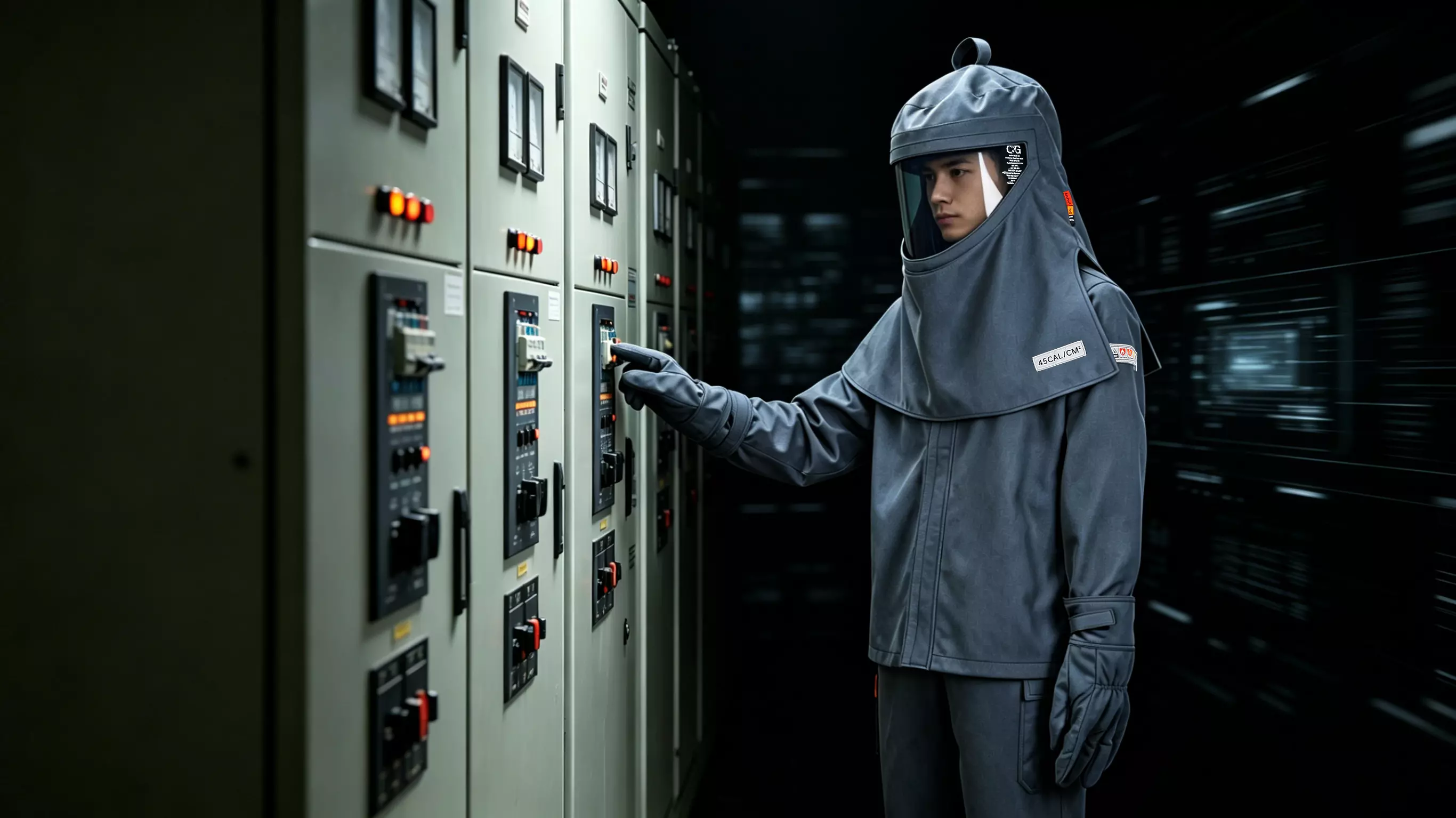
At that moment, the only remaining protective system is what the worker is wearing:
| Body Area | PPE Protection Mechanism |
|---|---|
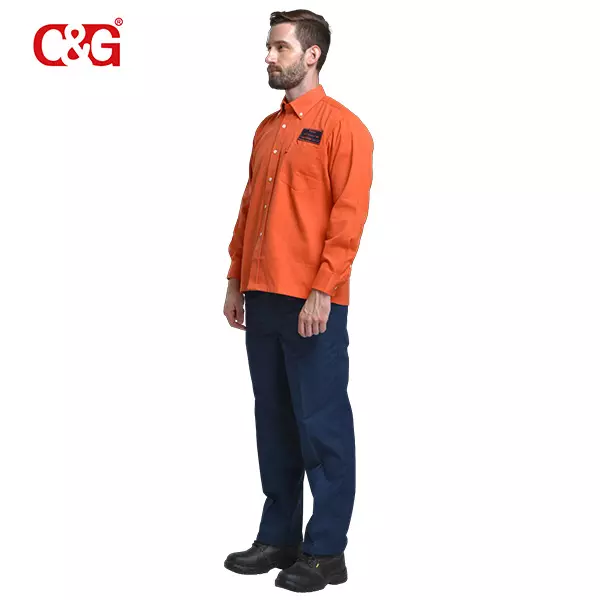
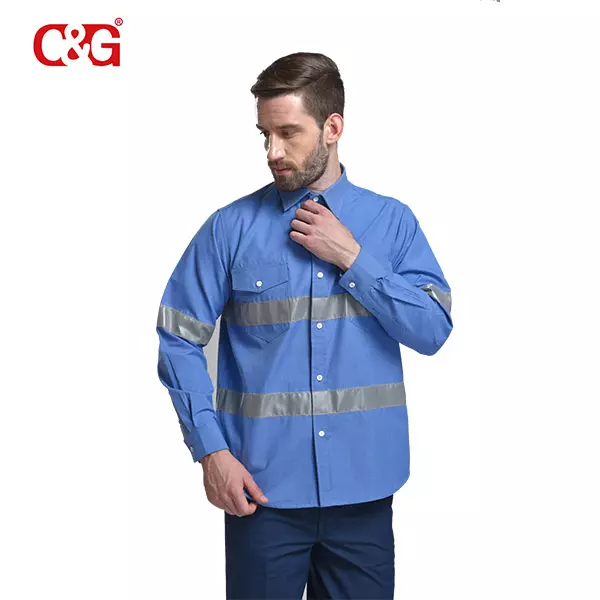
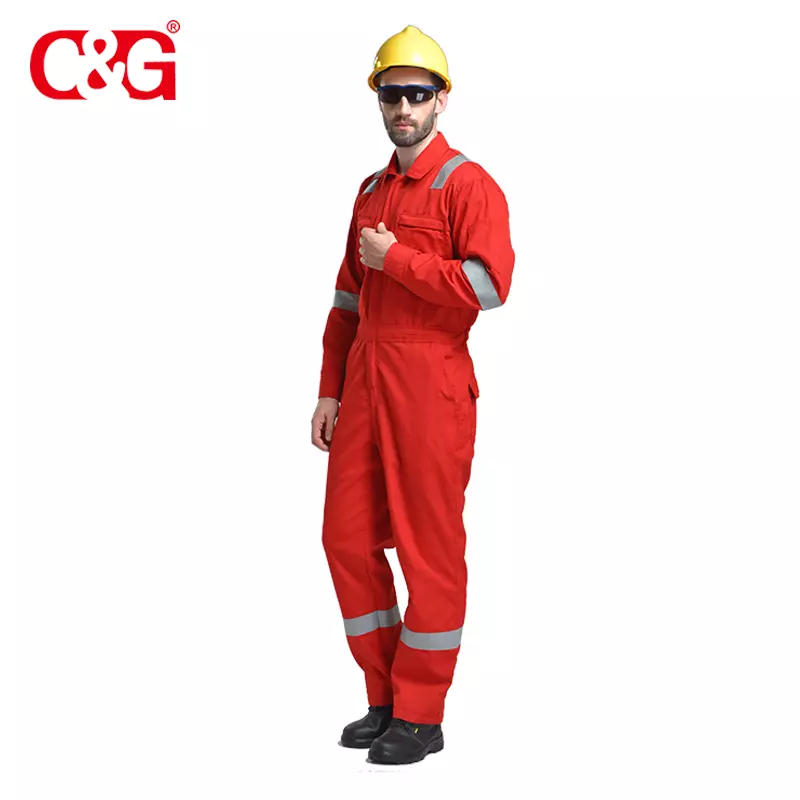
| Arc-rated clothing | Flame resistance, thermal insulation, molten splash resistance |
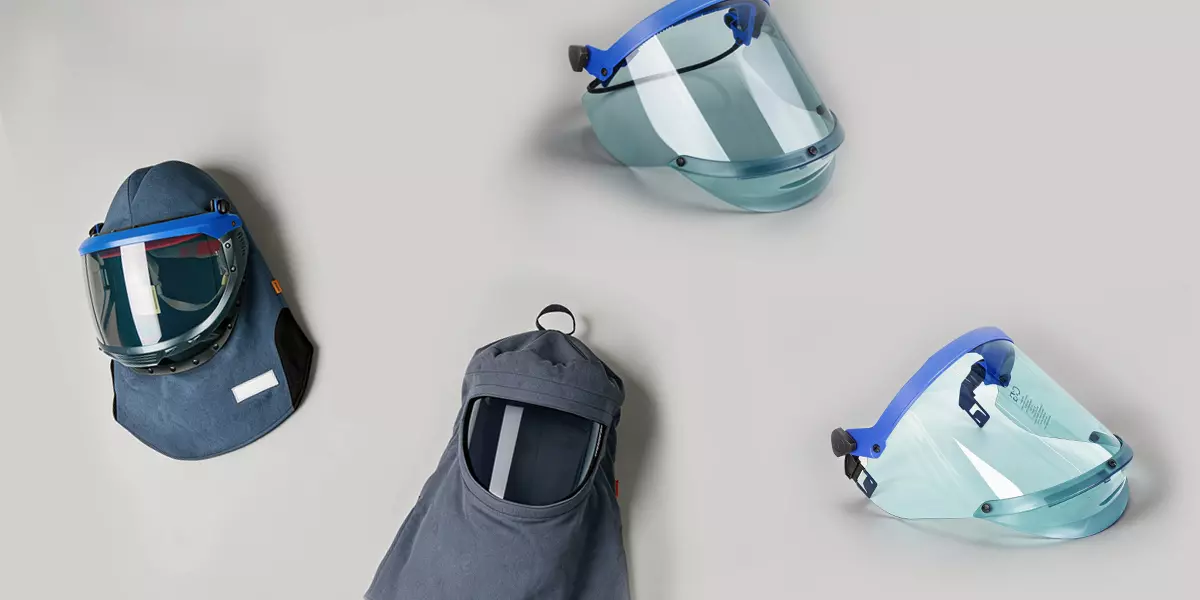
| Face shield | Radiant heat and impact protection |
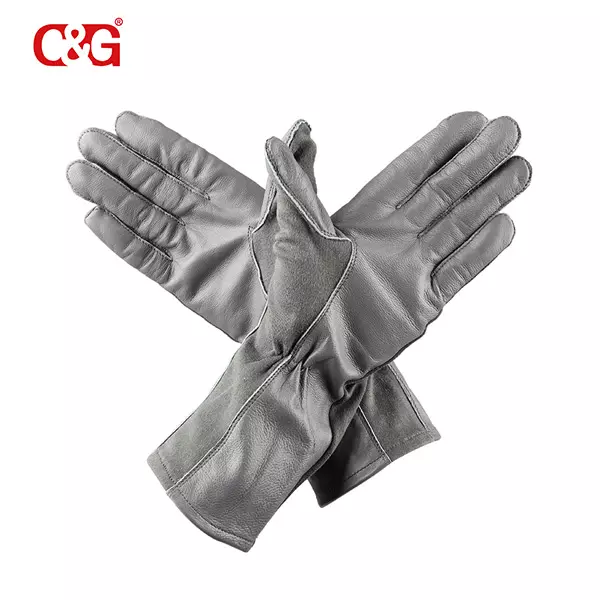
| Gloves | Burn and electrical contact protection |
| Arc hood | Prevents flame engulfment and head burns |
PPE does not stop the event.
It converts outcomes from fatal burns → survivable injuries.
PPE in electrical incidents has three defining characteristics:
Wearing PPE does not prevent a short circuit.
It feels unnecessary — until the one moment it makes the difference between life and death.
Once an arc flash begins, it is physically too late to don protection.
This is classic low-frequency, high-consequence equipment —
like a parachute: you may never need it, but you cannot gamble on the one time you do.
Risky thinking includes:
“Arc-rated clothing means we can work more aggressively.”
“We’re protected, so live work is less of a concern.”
This shifts risk directly onto the human body.
Correct logic:
PPE does not lower the hazard level.
It only reduces injury severity.
PPE is called the “last line of defense” in the power industry because:
Electrical hazards involve extreme energy release
Upstream controls have non-zero failure probabilities
Incident development is faster than human response
PPE is the only layer that remains effective after an incident begins
Within an electrical safety system:
Equipment prevents faults.
Procedures prevent mistakes.
Training prevents errors.
PPE prevents catastrophic consequences.
Tags:
Shanghai C&G's personal protective clothing and PPE products are trusted by customers in the world. Our products are exported worldwide, with a strong presence in the United States, China, Japan, Germany, the United Kingdom, India, France, Italy, Brazil, and Canada. In addition, we have a significant customer base in other countries across each continent, including Australia, New Zealand, South Africa, Nigeria, and Egypt in Africa; Argentina, Chile, and Mexico in South America; Russia, South Korea, and Indonesia in Asia; Spain, Poland, and Turkey in Europe; and Saudi Arabia and the United Arab Emirates in the Middle East. Wherever you are in the world, we have the products you need to stay safe and protected. Contact us today to learn more about our products and how we can help you meet your safety needs.











Shanghai C&G is committed to building a leading brand in the safety emergency industry with technological innovation as the core and sustainable development, providing customers with one-stop safety emergency solutions, escorting the safety of customers, and make the world safer!
Building 39, Lane 123, Shenmei Road, Pudong New District, Shanghai, China
inquiry@cgprotection.com
+86-21-38214394


© 2023 Shanghai C&G. All Rights Reserved.