Shanghai, China
+86-17317656853
inquiry@cgprotection.com

Metering is often treated as the low-risk end of electrical work. The meter is small, the task takes ten minutes, and the technician has done it a thousand times. The equipment, however, sits at the point where the service enters the building — the place where the available fault current is highest and the incident energy on the label is frequently the largest number on site.
Arc flash protection for metering work has to cover three different exposures that are usually discussed as one: the service entrance with its main device, the CT cabinet where instrument transformers live, and the socket meter itself. Each has a different hazard, a different working distance and a different failure mode. This guide sets out what changes the PPE decision, why an open CT secondary is a hazard in its own right, and how to write a metering procedure that holds up when a technician is working alone at 7 a.m.
Four characteristics make metering work more exposed than its appearance suggests:
It happens at the service entrance. The available fault current at the line side of the main device is the highest in the installation, and the meter is usually within a metre of it.
It is often done live. Utilities and many commercial sites will not take an outage for a meter exchange, so the technician works on or beside energised conductors as a matter of routine.
The enclosure is small. A meter pan or CT cabinet gives the hand very little room, and the working distance collapses to arm's length or less.
It is done alone. A single technician at a remote service entrance has no second person to isolate, call for help or manage the boundary.
The incident energy at a 400 A service entrance can easily exceed the level at which daily-wear arc-rated clothing is sufficient. The label on the equipment, not the size of the task, sets the PPE.
| Location | Dominant hazard | What usually goes wrong |
|---|---|---|
| Service entrance / main device | Highest available fault current; large incident energy | PPE chosen for "meter work" rather than for the label |
| CT cabinet | Open-circuit CT secondary; exposed primary bars | Secondary opened under load; cover removed with primary live |
| Socket meter / meter pan | Live jaws, loose connections, bypass lever | Jaws assumed dead because the meter reads zero |
| Instrument transformer secondary | Induced high voltage when open; inaccurate readings | Test block left in the wrong position |
| Conduit and pull sections | Damaged insulation, moisture, shared enclosures | Circuits assumed to follow the drawing |
A current transformer is not a voltage device. With the primary energised and the secondary open, the core saturates and the secondary terminals can develop a high voltage — high enough to arc, to destroy the transformer insulation and to injure the person at the test block. This is why CT circuits are shorted, not opened, when the meter is removed.
Practical rules that belong in the procedure, not in a toolbox talk:
Use a shorting terminal block or test switch rated for the circuit, and confirm the short is applied before the meter circuit is broken.
Never open a CT secondary under load to "see if the meter is the problem".
Treat the secondary as live whenever the primary is energised, even if the meter reads zero.
Restore the short last and verify the meter reads correctly before the cover goes back.
The PPE for this work is set by the primary circuit, not by the 5 A secondary. A technician leaning into a CT cabinet on a 480 V service is exposed to the primary incident energy at that point.
The arc rating comes from the incident energy study at the meter location, adjusted for the working distance the task creates. Three adjustments matter in practice:
The task distance is shorter than the label distance. A meter pan puts the face and hands within 300–500 mm of live parts. Incident energy rises steeply as distance falls, so the label value at a nominal working distance understates the exposure.
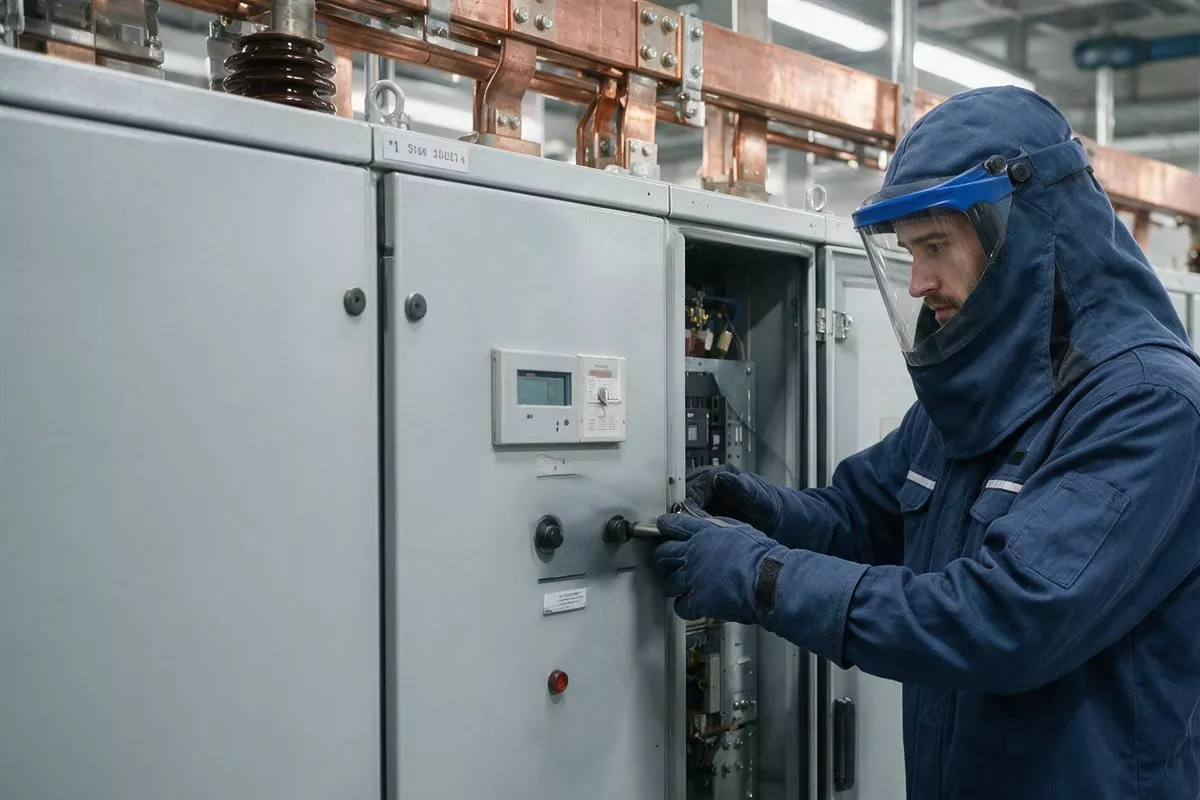
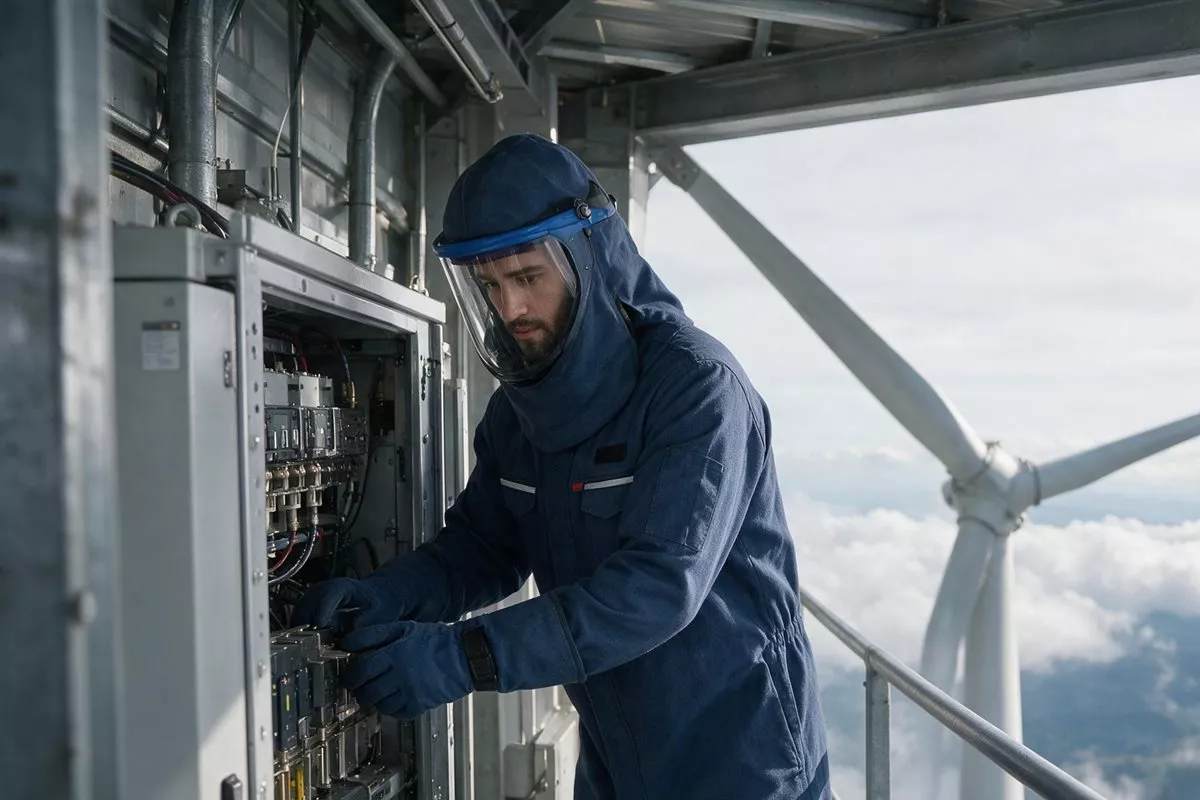
The head is in the enclosure. Meter work is face-forward. Where the calculated energy is above the level at which daily wear is adequate, a hood or arc-rated face shield with balaclava belongs in the kit, not in the van.
The hands need dielectric protection and arc protection. Rubber insulating gloves of the correct class, worn under leather protectors or arc-rated overgloves. Our guide to arc flash gloves and insulating glove classes covers the class table and the retest interval.
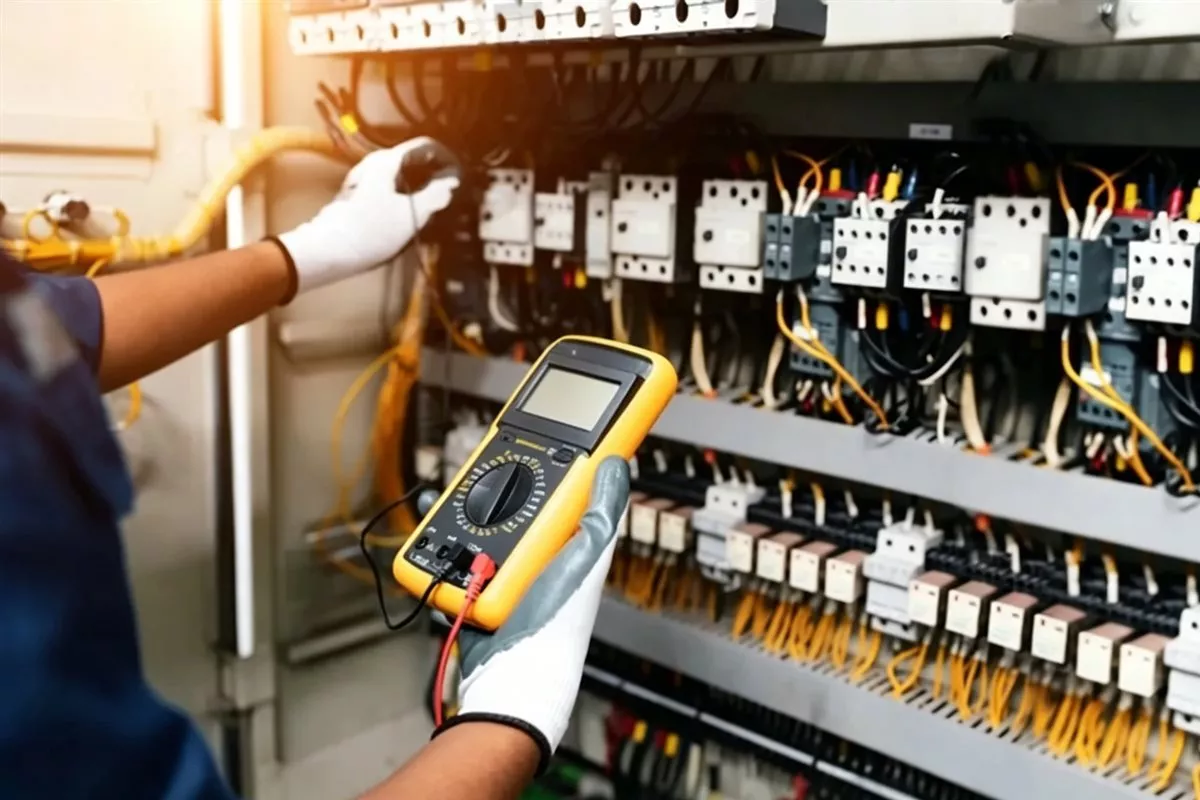
Instrument choice follows the same logic. A meter used inside a service entrance must be CAT IV rated, with CAT IV leads, because the transient energy at that point is the highest the installation can produce. A CAT III meter with CAT II leads is a CAT II system, whatever the display says.
There are two legitimate ways to change a meter, and the difference has to be explicit in the procedure.
De-energised exchange. Isolate upstream, lock and tag, prove dead at the meter jaws with a CAT-rated tester, prove the tester on a known source, then work. This is the preferred method wherever an isolation is available.
Live exchange with a bypass. Where the supply cannot be interrupted, the meter is bypassed with a purpose-made bypass device or a socket adapter, the load is transferred, and the meter is removed from a dead socket while the service remains live around it. The technician is still inside the arc flash boundary of the live conductors, so the PPE is unchanged.
In both cases the final steps are the same: confirm the new meter is seated and sealed, confirm the bypass is removed, confirm the load is restored and the reading is plausible. A meter that is not fully seated is a hot spot that will be found months later by a thermographic survey.
The CT cabinet is the highest-risk enclosure in the metering chain because it contains exposed primary bars and a secondary circuit that must not be opened. Controls that work:
Barriers first. Where the cabinet has an internal barrier or a removable shield, use it. Removing a barrier to "get a better look" changes the task.
Insulated tools and no loose metal. No watch, no ring, no tape measure lying across the busbars.
One hand rule. Where practical, work with one hand and keep the other clear of grounded metal.
Test before touch. Prove the tester, prove the circuit, prove the tester again — every time, including the second visit in the same day.
Close and secure. A CT cabinet left open is a hazard for the next person, and a missing cover is one of the most common findings in an audit.
| Task | Typical PPE |
|---|---|
| Reading or sealing a meter (no cover removed) | Arc-rated daily wear to the site standard; safety glasses; no gloves required unless the enclosure is opened |
| Removing a meter cover or a socket cover | Arc-rated clothing to the label; face shield; insulating gloves if live parts are within reach |
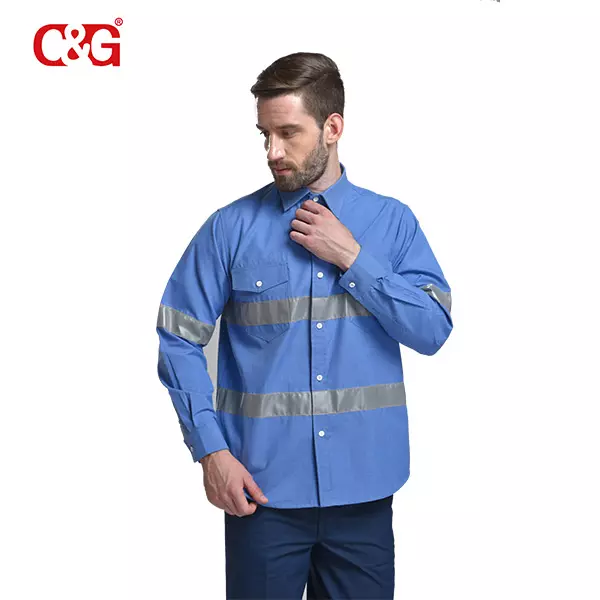
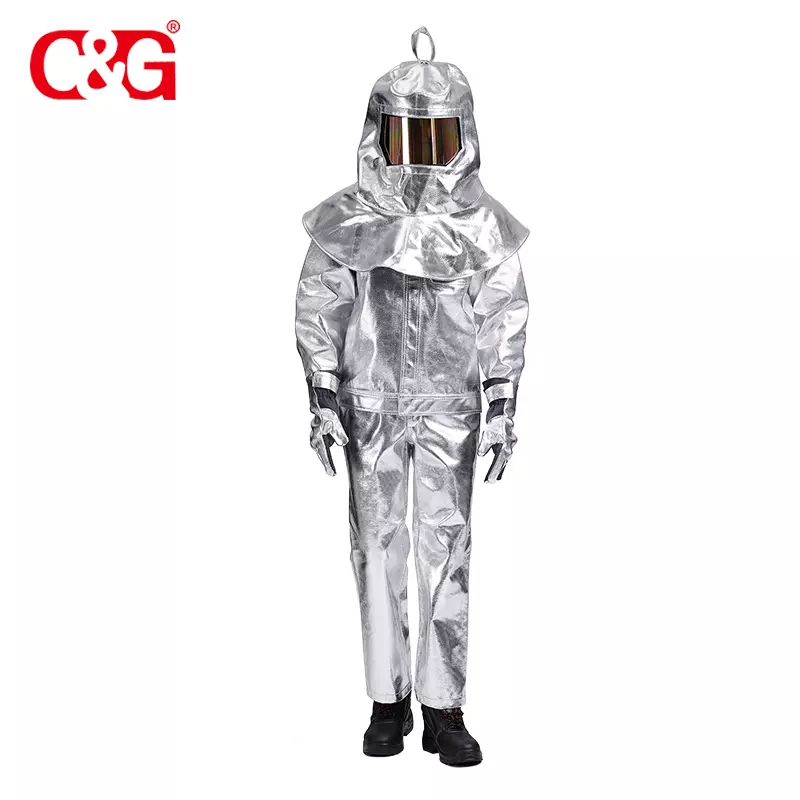
| Live meter exchange with bypass | Arc-rated suit or jacket and trousers to the calculated energy; hood or face shield; insulating gloves with protectors |
| Work inside a CT cabinet with primary live | Highest task category; hood; insulating gloves; insulated tools; second person or formal lone-worker control |
| Service entrance with main device open | Category from the study at that point, which is often the highest on site |
This table is a starting point for a procedure, not a substitute for the study. The numbers come from the label and the task assessment; the table only shows how much the requirement moves between tasks that look similar.
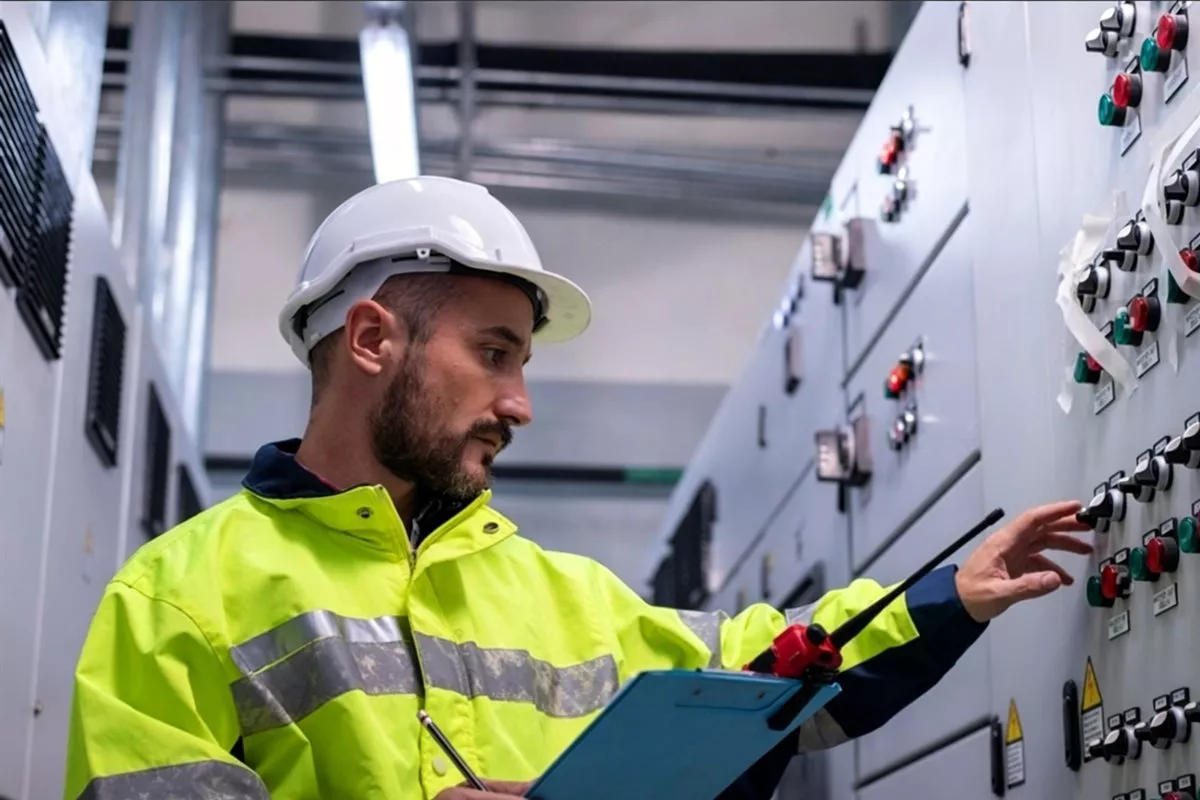
Metering is frequently a single-person task in a plant room, a basement or a remote service position. That changes the risk more than any garment can:
Nobody to isolate. If something goes wrong, the technician is the only person who can operate the device.
Nobody to call. A check-in procedure with a defined interval is a control, not paperwork.
Nobody to see the arc. An incident in an unvisited plant room may not be discovered for hours.
Where lone working is unavoidable, the minimum controls are a check-in schedule, a means of communication that works in the plant room, and a written task procedure that has been walked through on site. Our article on arc flash suit protection levels explains how the category maps to garment sets, which helps when the procedure has to specify one kit for a range of metering tasks.
Task risk assessment naming the meter position, the label value and the PPE selected.
Instrument list with CAT rating and calibration date, including the leads.
Glove register with class, test date and next retest.
Meter exchange record with the isolation or bypass method used and the person who verified dead.
Lone-worker check-in log where applicable.
Yes, whenever a cover is removed or work is performed on or near energised service conductors. The service entrance is typically the highest incident energy location in the installation, and the working distance at a meter pan is short. Reading a sealed meter through a window is a different task from removing a cover.
With the primary energised, an open secondary allows the core to saturate and can produce a very high voltage at the secondary terminals, enough to arc and to damage insulation. CT circuits are shorted before the meter circuit is opened, never opened under load.
Only with a documented live-work procedure, a proper bypass device, the PPE required by the incident energy at that point, and a technician trained and authorised for live work. Where an isolation is available, the de-energised method is preferred.
At the load side of a distribution board, usually yes, with CAT III leads. At the service entrance or the line side of the main device, CAT IV is normally required. The lowest-rated component in the chain sets the rating.
Common practice is every six months in service and every twelve months in storage, following ASTM F496 and the authority having jurisdiction. The date must be recorded against the glove, and the glove must be air-tested before each use.
If you are standardising metering PPE across a utility or a facilities team, send the meter positions and service voltages to the C&G team. We can match glove classes, arc-rated clothing and hoods to the incident energy at each position, and supply the documentation a live-work procedure needs. The full arc flash protective clothing range covers suits, hoods, gloves and kits for service-entrance work.
Shanghai C&G's personal protective clothing and PPE products are trusted by customers in the world. Our products are exported worldwide, with a strong presence in the United States, China, Japan, Germany, the United Kingdom, India, France, Italy, Brazil, and Canada. In addition, we have a significant customer base in other countries across each continent, including Australia, New Zealand, South Africa, Nigeria, and Egypt in Africa; Argentina, Chile, and Mexico in South America; Russia, South Korea, and Indonesia in Asia; Spain, Poland, and Turkey in Europe; and Saudi Arabia and the United Arab Emirates in the Middle East. Wherever you are in the world, we have the products you need to stay safe and protected. Contact us today to learn more about our products and how we can help you meet your safety needs.











Shanghai C&G is committed to building a leading brand in the safety emergency industry with technological innovation as the core and sustainable development, providing customers with one-stop safety emergency solutions, escorting the safety of customers, and make the world safer!
Building 39, Lane 123, Shenmei Road, Pudong New District, Shanghai, China
inquiry@cgprotection.com
+86-21-38214394


© 2023 Shanghai C&G. All Rights Reserved.